
Clear, Helpful Insights to Make Your Storage Experience Simple and Stress-Free
Self-storage can feel confusing when you’re getting started, and it’s normal to have questions about security, access, unit size, and what you’re allowed to store. Having all the answers in one place makes the entire process easier, giving you clarity before you rent and confidence throughout your storage journey. A well-rounded FAQ helps demystify everything from rental agreements to payment options so you always know what to expect. Whether you’re storing for a month or planning something long-term, understanding how storage works removes the guesswork and lets you focus on keeping your belongings protected. You can find helpful answers in the Lanier Luxe Storage frequently asked questions section before reserving a unit.
One of the most common questions revolves around security, and it’s easy to see why. People want to know how their items will be safeguarded and what measures are in place to prevent unauthorized access. Facilities often feature gated entry, surveillance cameras, code-based access, and reinforced unit doors. Learning about these protections ahead of time helps renters feel reassured that their belongings are stored in a space designed with safety in mind. Another frequently asked question involves access hours. Some facilities offer 24/7 entry, while others have designated hours. Knowing this early on makes it easier to choose a location that fits your schedule.
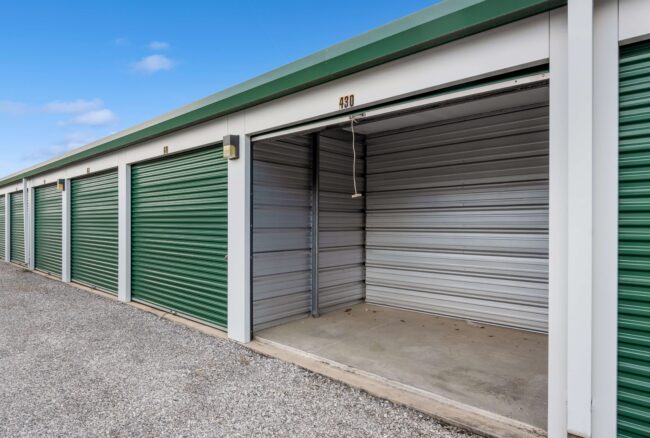
Renters also have questions about the best way to choose a unit size. A FAQ resource breaks down what typically fits in each unit, helping people avoid picking something too small or paying for more space than they need. Understanding the basics—such as how items can be stacked, what type of furniture fits, and how much room boxes take up—helps customers make smart decisions. Questions about climate-controlled units also come up often, especially for those storing electronics, documents, antiques, or anything sensitive to heat or humidity. Clear guidance helps renters determine whether this upgrade is necessary for their belongings.
People also want to know what items they can and cannot store. Most facilities prohibit hazardous materials, perishables, and anything flammable, but they allow everyday belongings like furniture, décor, business inventory, clothing, and seasonal gear. A good FAQ lays this out plainly so renters don’t accidentally bring prohibited items. Payment and rental terms are another big area of curiosity. Many facilities offer month-to-month agreements, online payment portals, and automatic billing to make the process as convenient as possible.
Having all of these frequently asked questions answered in one place empowers renters to make informed decisions from the very beginning. It turns confusion into confidence and allows people to navigate the storage process with ease. Instead of guessing or worrying about the unknowns, customers get clear, upfront information that helps them choose the right unit, protect their belongings, and feel good about their storage experience from start to finish.
…
Read More